AI Literature Tools Are Transforming Research
Advanced Literature Mapping is rapidly changing how researchers explore academic studies in 2026.
Instead of manually searching journals, scientists now use AI-powered visual discovery platforms to uncover hidden research connections faster.
Meanwhile, tools like Litmaps, Connected Papers, and Research Rabbit are gaining attention across universities and startups.
These platforms map citation networks in real time.
As a result, researchers can quickly identify bridge studies, unexplored gaps, and fast-moving academic trends without spending weeks on manual reviews.
Quick Summary
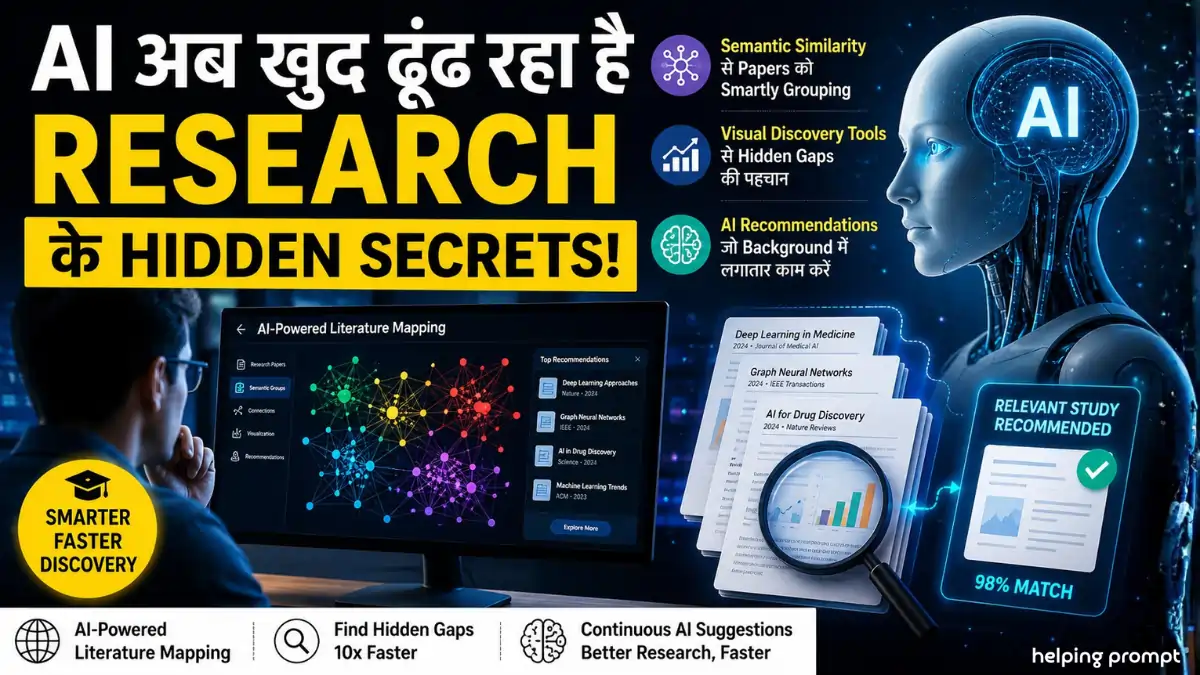
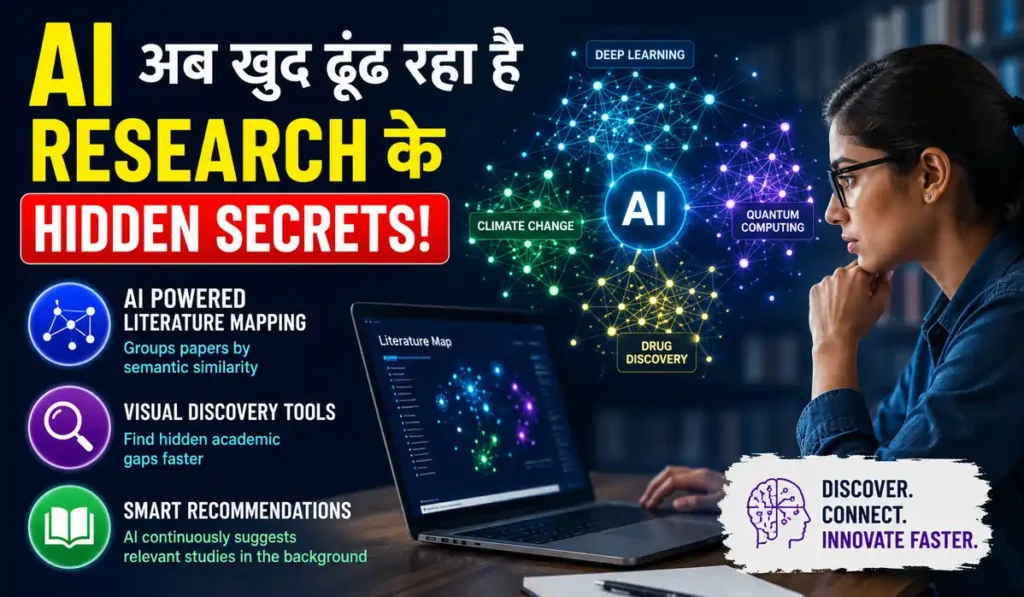
- AI-powered Advanced Literature Mapping now groups papers through semantic similarity, not only citations.
- Researchers are using visual discovery tools to identify hidden academic gaps faster.
- Algorithmic curation platforms continuously recommend relevant studies in the background.
Advanced Literature Mapping Is Becoming Smarter
Researchers once depended on keyword searches and static citation lists.
However, Advanced Literature Mapping tools now create interactive visual networks instantly.
These platforms analyse relationships between thousands of studies simultaneously.
Therefore, users can detect influential research clusters within minutes.
This shift is especially important for fast-moving fields like AI, biotechnology, climate science, and healthcare research.
AI Is Helping Researchers Find Bridge Studies
Bridge studies connect separate research areas with shared findings.
Previously, identifying them required months of manual reading and cross-checking.
Now, AI systems automatically surface these hidden connections.
As a result, researchers can discover interdisciplinary opportunities much faster.
Many universities are already encouraging scholars to use these tools during literature review preparation and proposal writing.
Dynamic Visual Discovery Is Trending Worldwide
Platforms like Litmaps and Connected Papers are becoming popular because of their real-time visualization systems.
Instead of showing simple citation chains, these platforms organise papers using semantic similarity.
Consequently, related ideas appear together even without direct references.
This method improves research discovery quality and reduces the risk of missing important supporting studies.
- How to start using Advanced Literature Mapping tools?
Create a library of research papers and connect them to AI discovery platforms.
- How to find bridge studies quickly?
Use semantic visualization tools that highlight indirect links between research topics.
- How to improve AI research recommendations?
Regularly save, organise, and update your research library for better Advanced Literature Mapping results.
Algorithmic Curation Is Reshaping Academic Workflows
AI-driven recommendation engines are also transforming academic reading habits.
For example, ResearchRabbit continuously suggests new papers based on saved libraries and reading patterns.
The experience feels similar to music recommendation platforms.
However, the focus remains on personalised academic discovery.
Researchers therefore spend less time searching and more time analysing high-value information.
Universities Are Adopting AI Research Platforms Faster
Several global institutions are now integrating Advanced Literature Mapping into research training programs.
Additionally, PhD scholars are using these systems to improve thesis planning and citation discovery.
Experts believe this trend will continue growing throughout 2026.
Meanwhile, research teams are increasingly combining AI mapping with traditional peer review methods.
This balanced approach improves speed while maintaining academic credibility and accuracy.
Why Semantic Mapping Matters in 2026
Traditional citation systems often miss indirect but meaningful relationships.
However, semantic mapping detects shared concepts, themes, and methodologies across disciplines.
This capability helps researchers uncover unexpected opportunities.
For instance, medical AI studies may connect with behavioural science or climate analytics research.
As research databases expand rapidly, semantic discovery is becoming essential rather than optional.
AI Research Discovery Still Needs Human Oversight
Despite rapid automation, experts warn against relying fully on AI-generated suggestions.
Researchers still need to verify sources, methodologies, and citation quality manually.
AI tools accelerate discovery, yet human judgment remains critical.
Therefore, academic institutions continue promoting responsible AI-assisted research practices.
This combination of speed and verification is shaping the future of global scientific publishing.
Pro Tips
- Use Advanced Literature Mapping tools before starting a thesis or research proposal.
- Save high-quality papers regularly to improve AI recommendations over time.
- Combine semantic discovery with manual verification for stronger academic accuracy.
Wrap-Up
Advanced Literature Mapping is no longer a niche academic tool.
It is becoming a core part of modern research workflows across universities, startups, and innovation labs.
AI-powered platforms are helping scholars discover hidden links, emerging topics, and overlooked research faster than ever before.
At the same time, human evaluation remains essential for maintaining research quality and credibility.
As academic publishing expands rapidly in 2026, researchers who adopt intelligent discovery systems early may gain a significant advantage in speed, accuracy, and innovation.
FAQs
Advanced Literature Mapping uses AI to visualise research connections and identify related academic studies faster.
Semantic mapping helps researchers discover relevant papers beyond direct citations and keyword searches.
Yes, but researchers should still manually verify sources, citations, and research quality.