Sam Altman AI Energy Debate Sparks Backlash Over Human Comparison
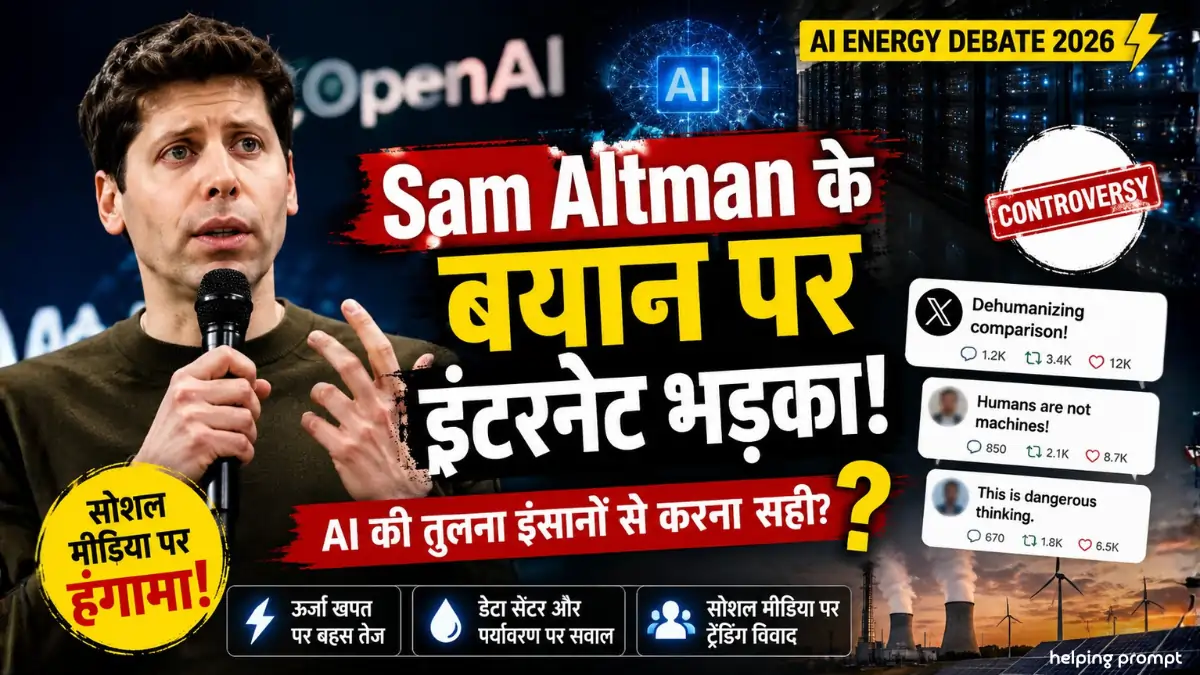
The Sam Altman AI energy debate has sparked intense discussion across social media after the OpenAI CEO defended artificial intelligence against environmental criticism. Speaking at a public event in India, Altman argued that comparing AI training costs with human intelligence development is a fairer way to evaluate energy use. However, his comments quickly drew reactions from critics who accused him of reducing human life to a computational process. As AI adoption accelerates worldwide, the discussion highlights growing concerns about energy consumption, ethics, and the future role of artificial intelligence.
QUICK SUMMARY
- Sam Altman rejected viral claims about extreme water use by AI systems.
- He compared AI training costs with the resources needed to educate humans.
- Social media users criticized the comparison as dehumanizing and controversial.
What Triggered the Sam Altman AI Energy Debate?
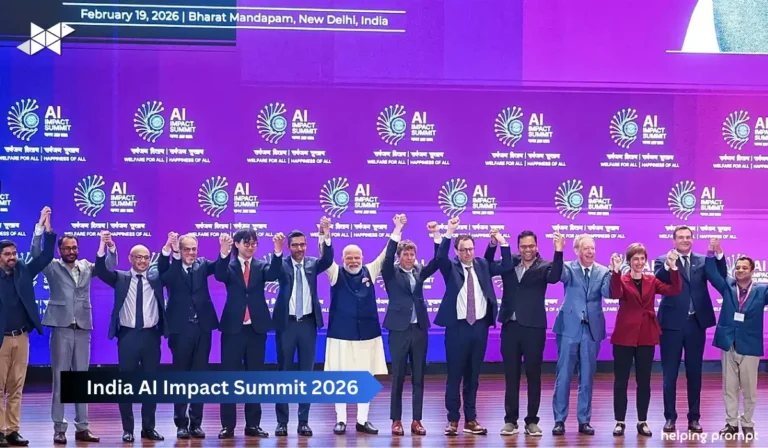
Speaking during the India AI Impact Summit 2026, OpenAI CEO Sam Altman challenged popular narratives about AI’s environmental footprint. He dismissed online claims suggesting that every ChatGPT query consumes massive amounts of water. According to Altman, many viral statistics circulating on social media lack factual accuracy and create unnecessary fear around artificial intelligence technologies.
At the same time, Altman acknowledged that overall AI energy consumption is rising rapidly. Therefore, he stressed the need for cleaner energy sources such as nuclear, solar, and wind power. His comments aimed to balance environmental concerns while defending the long-term value of AI systems that are increasingly used across industries and everyday life.
Sam Altman Compares AI Training With Human Development
A major part of the discussion focused on how AI training costs are measured. Altman argued that critics often compare the energy required to train advanced AI models against the energy needed for a single human response. According to him, that comparison ignores the decades of resources invested in developing human intelligence.
He stated that humans require years of education, food, healthcare, and societal knowledge before becoming capable problem-solvers. Therefore, Altman suggested that a fair comparison would evaluate the energy needed for an AI system to answer a question after training versus the energy a human uses to provide the same answer.
Why Social Media Users Pushed Back
The comments quickly triggered criticism online. Many users argued that comparing people to machines oversimplifies human value and ignores the broader purpose of human life. Critics claimed that reducing human growth to an energy calculation creates a narrow view of intelligence and social progress.
Several posts on X described the argument as troubling because it treats people as biological processors rather than individuals with creativity, emotions, and social importance. As a result, the debate expanded beyond energy consumption and moved into larger questions about ethics and technology leadership.
Critics Raise Ethical Concerns
One widely shared response argued that Altman’s comments promote a worldview where synthetic intelligence could eventually be viewed as more efficient than humans. Critics fear such thinking may justify prioritizing computational growth over social and environmental well-being.
Meanwhile, supporters of AI pointed out that Altman was discussing efficiency metrics rather than human worth. Nevertheless, the controversy demonstrates how quickly AI conversations can shift from technical issues to philosophical and ethical debates that resonate with the public.
AI Energy Consumption Remains a Global Issue
Despite disagreements over the comparison, experts generally agree that AI infrastructure requires significant electricity. Large data centres supporting advanced AI models consume increasing amounts of power as adoption expands across businesses, governments, and consumers.
Consequently, technology companies are investing heavily in renewable energy and next-generation power solutions. The debate highlights a broader challenge facing the industry: balancing rapid innovation with sustainability goals while maintaining public trust.
PRO TIPS
- Focus on verified AI energy studies instead of viral social media claims.
- Compare total system efficiency using transparent and consistent metrics.
- Track how major AI companies address sustainability and clean energy goals.
How To
- How to understand the Sam Altman AI energy debate?
Focus on the difference between AI training costs and AI usage costs after training.
- How to verify AI energy consumption claims?
Check research from universities, energy experts, and credible technology reports.
- How to follow developments in the Sam Altman AI energy debate?
Track statements from AI companies, industry experts, and sustainability organizations.
CONCLUSION
The Sam Altman AI energy debate reflects a growing tension between technological innovation and public concern. While Altman sought to challenge what he views as misleading environmental claims, his comparison between AI systems and human development sparked a wider discussion about ethics, efficiency, and human value.
As AI becomes more integrated into daily life, debates like this are likely to continue. Readers should follow verified research, monitor industry sustainability efforts, and stay informed about how AI companies address both environmental and societal impacts in the years ahead.
FAQs
It refers to criticism following Altman’s comparison between AI training costs and human development.
Many critics felt the comparison reduced human life to an energy calculation.
No. He acknowledged AI consumes significant energy but argued some viral claims are exaggerated.