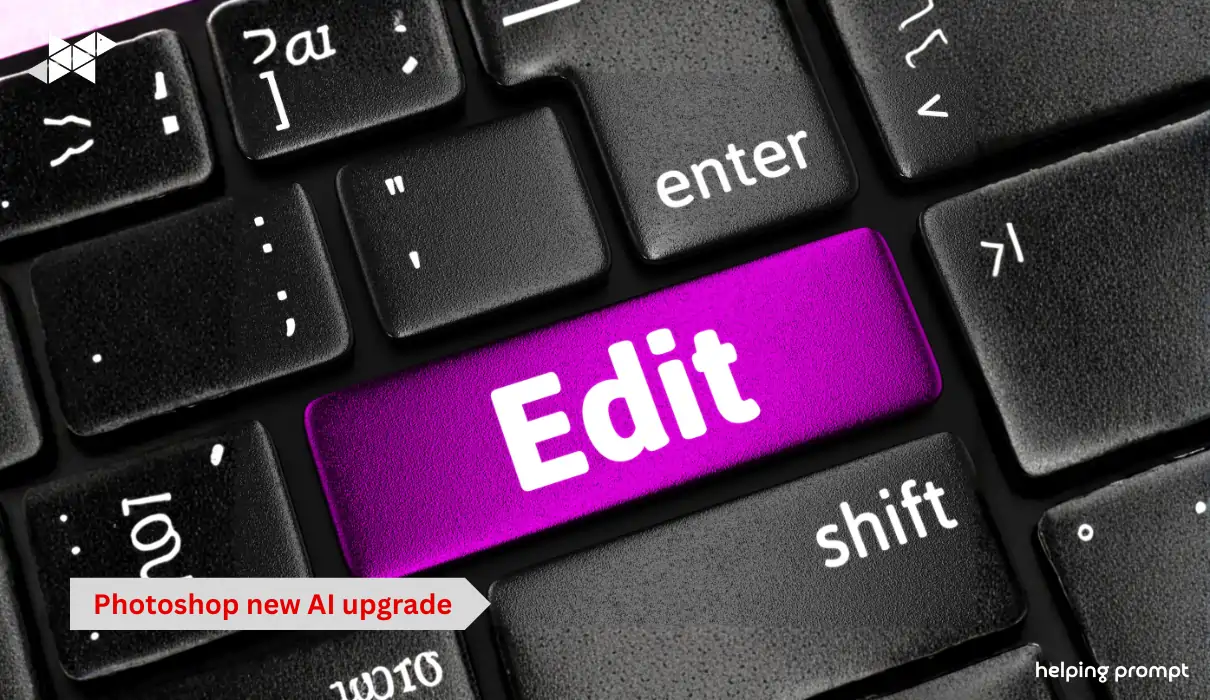
The moment the update went live, timelines lit up. Designers, photographers, even small business owners were suddenly finishing edits in minutes, not hours. Adobe’s latest Photoshop AI upgrade is trending across India because it changes how people actually work, not just what the software promises. The speed jump is real, the learning curve is lower, and the timing matters-especially as the government sharpens its focus on responsible AI use in creative tools.
What actually changed inside Photoshop this time
The new AI features are not flashy add-ons. They sit quietly inside everyday tools people already use.
Background removal now understands edges better. Object selection feels more human, less mechanical. Even complex edits-like removing distractions or expanding an image-take fewer clicks and less manual correction.
In simple terms, Photoshop is guessing smarter and making fewer mistakes. The software watches what you want to do and gets out of the way faster than before.
For freelancers juggling deadlines, that difference is not small.
Why the government response suddenly matters here
As AI tools move from novelty to daily work essentials, the government has started watching more closely. Officials have already signalled that AI used in media and creative production must remain transparent and accountable.
Photoshop’s update landed right in the middle of this conversation.
Unlike fully automated image generators, these tools assist rather than replace human decisions. That distinction is important. It aligns with current government thinking around “human-in-the-loop” AI-technology that supports skill instead of erasing it.
One Delhi-based content creator put it simply:
“This doesn’t feel like AI taking my job. It feels like my assistant finally understands what I’m asking.”
Photoshop new AI upgrade lowers the skill barrier
Earlier, mastering Photoshop took months. Now, beginners are producing usable results within days.
The AI explains actions visually. You see what’s being changed before committing. That confidence matters, especially for students and small businesses who can’t afford specialist editors.
A wedding photographer from Jaipur shared:
“I used to outsource retouching. After this update, I handle most edits myself. The time savings are massive.”
This shift could quietly reshape who gets access to professional-looking visuals.
Speed is the real headline, not automation
What stands out is not what the AI can do, but how fast it does it.
Tasks that earlier broke creative flow-masking hair, cleaning backgrounds, resizing for multiple platforms-now happen almost instantly. The creative decision still belongs to the user. The waiting doesn’t.
That’s why the update is spreading by word of mouth rather than marketing campaigns. People notice time saved more than new buttons.
How Adobe is positioning this responsibly
Adobe has been careful with messaging. The company is highlighting consent, attribution, and ethical AI training rather than raw power.
This matters in India, where regulators are increasingly cautious about misuse of AI in media. Tools that assist editing without fabricating reality sit in a safer zone-for now.
An independent digital artist summed it up:
“I’m faster, not lazier. That’s the difference.”
Why this update is trending beyond designers
The impact goes beyond professionals. Small brands, educators, and local businesses are using Photoshop more confidently for social posts, ads, and presentations.
When advanced tools stop feeling intimidating, adoption widens. That’s what’s happening here-and why the conversation has moved from tech circles to policy desks.
Photoshop’s new AI upgrade is gaining attention because it quietly removes friction from creative work. Faster edits, clearer control, and a responsible approach have made it hard to ignore.





Leave a Reply