
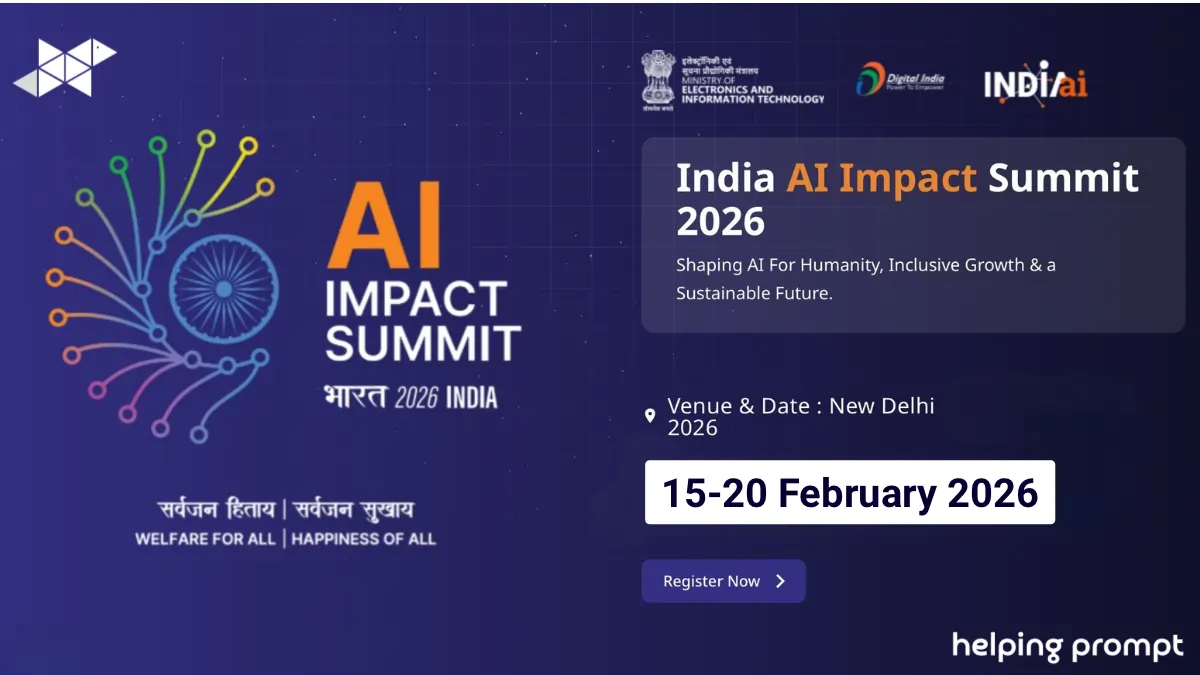
In the run-up to the IndiaAI Impact Summit in February, India is stepping up efforts to build international consensus on unified AI standards. The goal is clear: make sure artificial intelligence grows with ethics, transparency, privacy protection, and bias control at its core.
Officials familiar with the discussions say India is trying to bring multiple countries and stakeholders on the same page, so AI rules don’t remain fragmented across regions. A common framework, they believe, can help reduce confusion for users, companies, and governments alike.
Why India Wants One Global Rulebook for AI
Right now, AI is expanding fast, but the rules around it are not moving at the same speed everywhere. Some countries focus heavily on safety, while others prioritise innovation first.
India’s approach is aimed at balance-strong guardrails without slowing down useful AI development.
A senior official involved in the talks said, “AI cannot be trusted unless it is accountable. Standards must protect people, not just systems.”
This push is also about making sure smaller economies are not left behind in global AI rule-making.

The Four Core Areas India Is Highlighting
India’s discussions are largely centred on four key issues that affect people directly:
1) Ethics: AI must serve humans, not harm them
Ethics in AI means clear boundaries-AI should not promote harmful content, discrimination, or unsafe decisions.
2) Transparency: people deserve to know what’s happening
Transparency means users should understand when AI is being used and how decisions are being shaped-especially in sensitive areas like education, healthcare, and hiring.
As one policy source put it, “If an AI system makes a decision that impacts your life, you should know why.”
3) Privacy: data protection can’t be optional
AI systems often depend on data. India’s focus includes ensuring that personal information is not misused, leaked, or collected without real consent.
4) Bias Mitigation: fairness must be built in
Bias happens when AI reflects unfair patterns found in training data. India wants stronger global standards so AI does not treat people differently based on identity, language, location, or background.

What Makes the IndiaAI Impact Summit Important
The IndiaAI Impact Summit is being positioned as a key moment where India can bring global voices together-governments, researchers, and industry leaders.
The summit is expected to highlight practical ways to move from “AI principles” to real-world standards that can be measured and followed.
A person tracking the preparations said, “This isn’t just about statements. The focus is on workable standards that can actually be implemented.”
Why Unified AI Standards Matter for Ordinary Users
For everyday people, unified standards can mean:
- Better protection of personal data
- Less risk of unfair AI decisions
- Clearer accountability when AI goes wrong
- More trust in AI tools used in public services
When rules are aligned globally, companies also find it easier to comply-resulting in safer products and fewer loopholes.

Conclusion
Ahead of the IndiaAI Impact Summit in February, India is actively working to build global agreement on unified AI standards, with strong emphasis on ethics, transparency, privacy, and bias mitigation. The effort reflects India’s push for AI growth that remains responsible and people-first.







Leave a Reply