
India is getting stricter about AI-generated content on social media.
If you create, share, or manage online content, these new rules directly affect you.
Quick Summary
Social platforms must clearly label AI-generated content.
Deepfakes and misleading AI content face stricter monitoring.
Companies must ensure legal compliance under Indian IT laws.
What Has India Announced?
The Government of India has tightened rules under the IT framework to regulate AI-generated content.
The aim is simple:
- Reduce misinformation.
- Control deepfakes.
- Make AI content more transparent.
Authorities want platforms like social media networks, video-sharing apps, and messaging services to clearly disclose when content is generated using AI tools.
But what exactly changes for users and creators?

Why Is the Government Taking This Step?
AI tools can now create:
- Fake political speeches
- Edited celebrity videos
- Manipulated election content
- Financial scams using cloned voices
For example, deepfake videos during elections can influence public opinion. Similarly, AI-generated scam calls pretending to be bank officials are rising.
Therefore, the government wants accountability.
India already regulates digital content under the Information Technology Act 2000.
However, AI has created new challenges that were not imagined in 2000.
What Social Media Platforms Must Now Do
Under the updated compliance framework, platforms must:
1. Clearly Label AI Content
If a post, image, or video is AI-generated, it must include visible labels such as:
This content is AI-generated.
or
Digitally altered using AI tools.
This helps users understand what is real and what is synthetic.
2. Act Faster on Deepfakes
Platforms must:
- Detect manipulated videos quickly
- Remove harmful deepfake content
- Respond to user complaints in time
Failure to act could lead to legal consequences.
3. Strengthen Due Diligence
Social platforms operating in India must:
- Appoint grievance officers
- Maintain transparency reports
- Cooperate with Indian authorities
These requirements align with the Information Technology Rules 2021, which already mandate compliance systems for intermediaries.
What This Means for Content Creators
If you run a YouTube channel, Instagram page, or blog, pay attention.
You should:
- Mention when images are AI-generated
- Avoid misleading thumbnails
- Avoid synthetic voices without disclosure
- Double-check facts before posting
Even small creators are not fully exempt.
So the question is: will AI creativity suffer?
Not necessarily. But transparency will become mandatory.
Impact on Businesses & Brands
Brands using AI for ads, product videos, or marketing visuals must now ensure:
- Proper labeling
- No impersonation
- No false endorsements
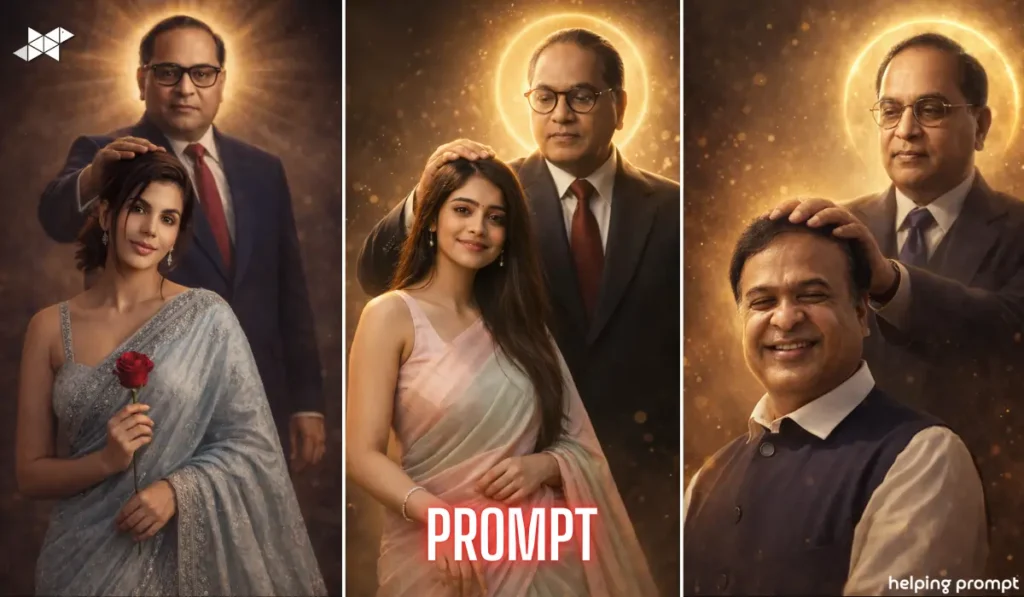
For instance, using an AI version of a celebrity without permission can invite legal trouble.
Additionally, fintech and health brands must be extra careful because misinformation in these sectors can cause real harm.
How This Affects Regular Users
For everyday users, this is mostly positive.
You may soon notice:
- AI labels on videos
- “Digitally altered” tags
- Faster removal of fake content
However, enforcement will determine how effective these rules truly become.
Will smaller platforms follow the same standards?
That remains to be seen.
Why This Move Matters Globally
India is one of the largest internet markets in the world.
Therefore, stricter AI compliance here could influence global tech companies’ policies.
Many international platforms may adopt similar labeling systems worldwide to maintain consistency.
Final Conclusion
India’s tighter AI content rules focus on transparency, accountability, and misinformation control.
If implemented properly, they can build more trust in digital platforms without stopping innovation.
For creators and businesses, clarity is no longer optional – it is compliance.







Leave a Reply