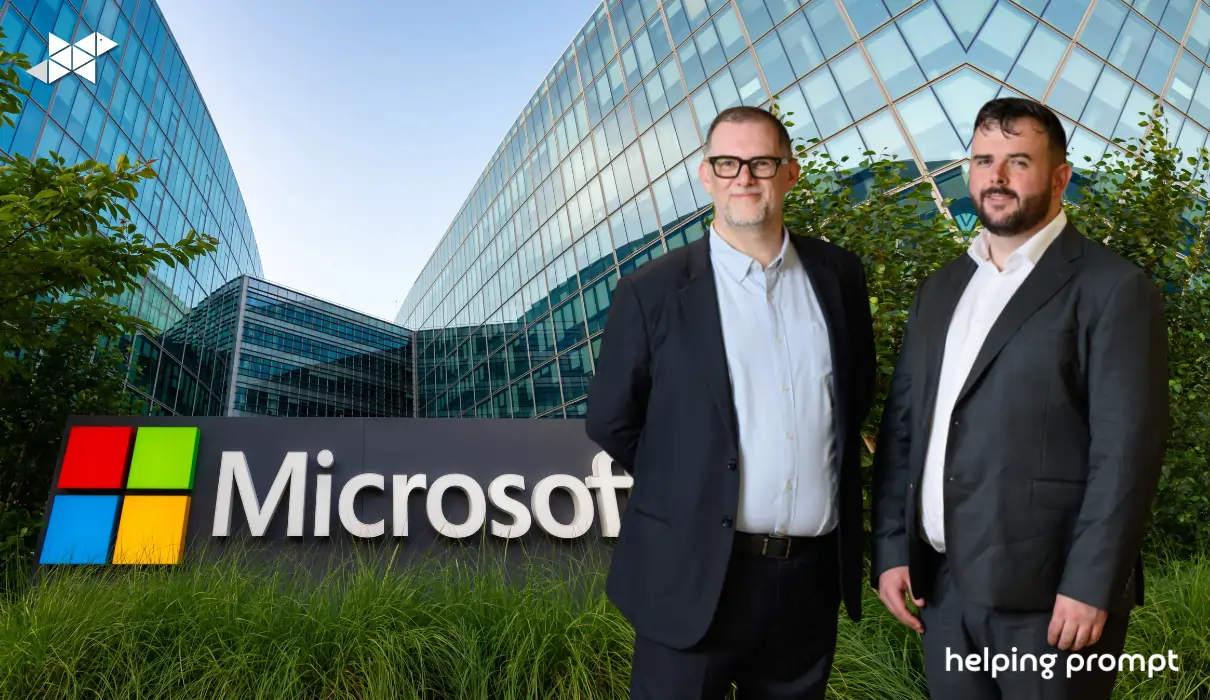
The rush to bring AI into everyday work has been moving faster than most workplace rules can keep up. That’s why the Microsoft-Australia AI worker deal is drawing attention right now. In a rare move, Microsoft and Australian unions have reached an agreement that puts worker protections, training, and skills development on the table before AI becomes routine across jobs. For employees, it signals clearer expectations. For employers, it sets a new template for responsible rollout.
The moment both sides agreed AI can’t be “business as usual”
From the outside, AI adoption often looks like a simple software upgrade. Inside workplaces, it changes how tasks are assigned, monitored, and measured.
That’s where this agreement stands out. Instead of treating AI as a management-only decision, Microsoft and Australian unions have positioned it as a workplace change that needs guardrails.
A union representative involved in the discussions described the tone as unusually direct. “People aren’t scared of learning new tools,” the official said. “They’re worried about being left behind while the work changes around them.”
The agreement is being read as a signal that worker concerns-about job security, fairness, and skill relevance-are now part of the AI conversation, not an afterthought.

What the worker protections are really meant to prevent
Worker protections in AI-linked agreements can sound vague until you break them down in plain terms.
In practice, protections are meant to stop situations where employees are suddenly assessed by automated systems they don’t understand, or where decisions about performance, workload, or job roles shift without transparency.
This is especially relevant because workplace AI is not just chatbots. It can include tools that summarise calls, draft emails, suggest responses, generate reports, or help managers track productivity patterns.
The protections in this agreement are aimed at reducing harm during that transition-so workers aren’t forced to “adjust” without clarity on how AI is being used, what data is involved, and what changes are expected of them.
A frontline employee in a unionised workplace summed it up in simple words: “If AI is going to change how we work, then the rules should change too. Otherwise, it becomes guesswork.”
Training and skills development: the part employers can’t ignore anymore
Training is often promised when new technology arrives. What’s different here is the timing and the framing.
This agreement treats training and skills development as a core requirement alongside AI adoption-not a future plan once the rollout is complete.
For workers, the most immediate value is practical: learning how to use AI tools to do tasks faster, reduce repetitive work, and avoid mistakes. But there’s a bigger point too-skills development is being positioned as a form of protection.
If AI tools become common across admin, customer support, IT, HR, marketing, and operations, then workers who don’t get training early risk being pushed into lower-value tasks, or being judged against new benchmarks they were never prepared for.
By putting training into the agreement, both sides are acknowledging a reality many workplaces have already felt: AI changes the definition of “basic job competence”.
And it’s not only about learning prompts or shortcuts. Skills development can include understanding what AI can and cannot do, how to check outputs, and how to avoid sharing sensitive data while using these tools.

Why the Microsoft-Australia AI worker deal is being watched beyond tech jobs
The impact of this agreement is not limited to people working inside Microsoft or in strictly “tech” roles.
Australian unions have been raising concerns across industries where AI tools are being introduced quietly-sometimes through software updates, vendor platforms, or outsourced systems.
That includes customer service centres, back-office operations, content moderation workflows, scheduling systems, and even document-heavy roles in finance and administration.
The reason this deal matters is that it creates a reference point. It suggests that AI isn’t just a productivity tool; it’s a workplace change that needs consultation, training pathways, and protections that workers can point to.
In newsroom terms, it’s the kind of agreement that becomes a talking point in future negotiations-because it gives employees language to ask, “What protections do we have?” and “What training are we getting?”
What this means for everyday workers using AI tools without real clarity
Across many workplaces, AI is already being used informally.
Employees are experimenting with drafting emails, rewriting reports, summarising meeting notes, and generating templates—often without clear guidance on what’s allowed.
That creates a risky grey zone.
Workers worry about whether they’re allowed to use AI, whether it will be used to monitor them, and whether mistakes made by AI will still be blamed on the employee. Employers worry about data leaks, inaccurate outputs, and compliance issues.
This agreement is being seen as an attempt to bring structure to that messy middle.
By linking AI adoption with worker protections and training, it acknowledges that the safest workplaces won’t be the ones that ban AI completely or push it overnight. They’ll be the ones that explain it, train people properly, and set expectations early.

The quiet shift: AI rollout is now a negotiation topic, not just an IT decision
For years, technology upgrades have typically been handled through IT policies, vendor contracts, and internal announcements.
AI is forcing a different approach.
Because it affects job design, performance measures, and skill requirements, unions are increasingly treating AI deployment like any other major workplace change-something that needs consultation and safeguards.
This is where the Microsoft-union agreement becomes significant. It reflects a growing understanding that workplace AI is not just a tool employees use, but a system that can shape decisions around them.
Even simple AI features-like automated summaries or suggested replies-can influence how quickly people are expected to work, how communication is judged, and how outcomes are measured.
By putting AI into a formal agreement, both sides are acknowledging that this shift is big enough to require shared rules.
Conclusion
The Microsoft and Australian unions agreement places worker protections and training at the centre of AI adoption, not at the edges. As workplaces bring in new AI tools, the deal offers a clear example of what structured rollout can look like-without leaving workers to adjust in the dark.







Leave a Reply