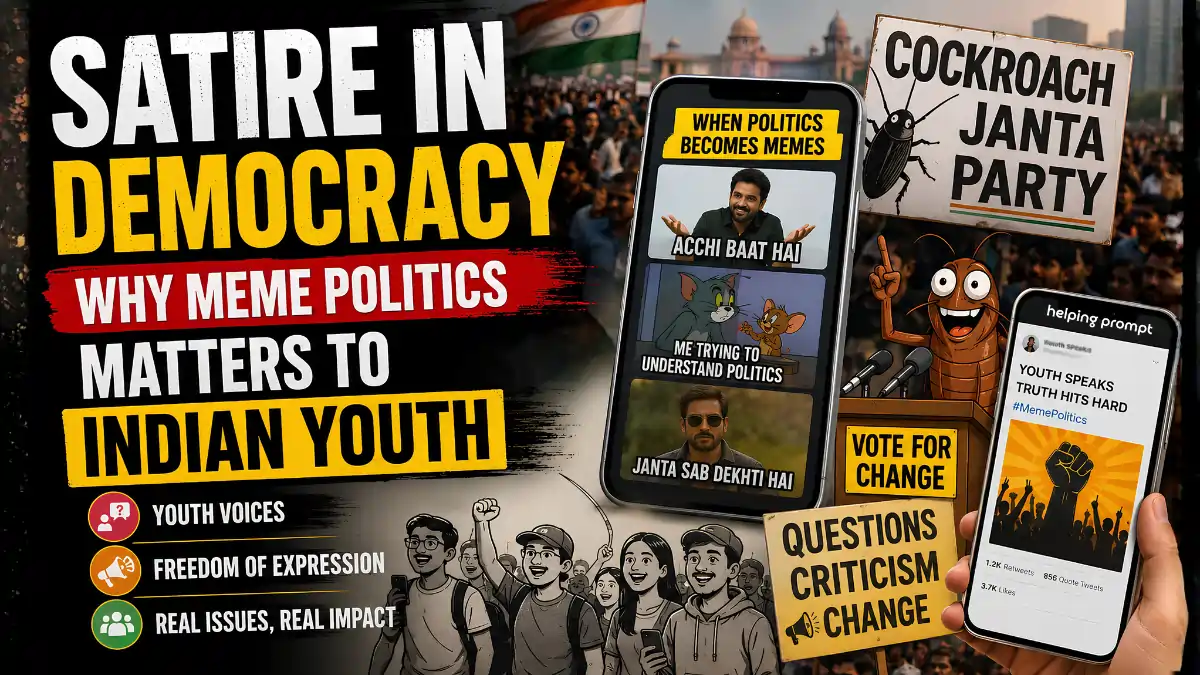
“Cockroach” Satire in Democracy: Why Meme Politics Matters to Indian Youth
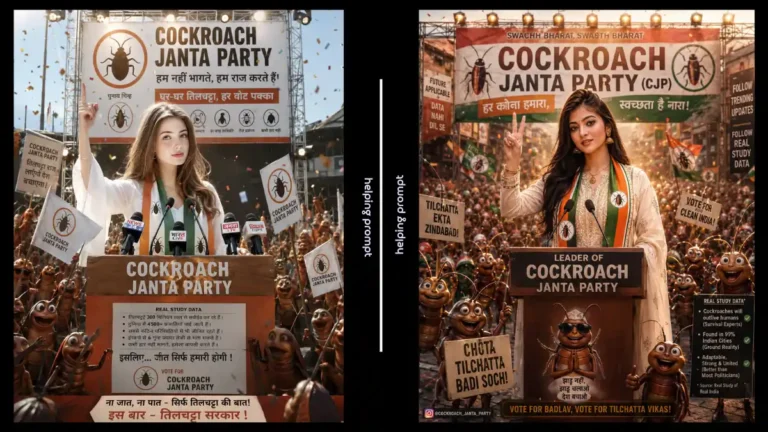
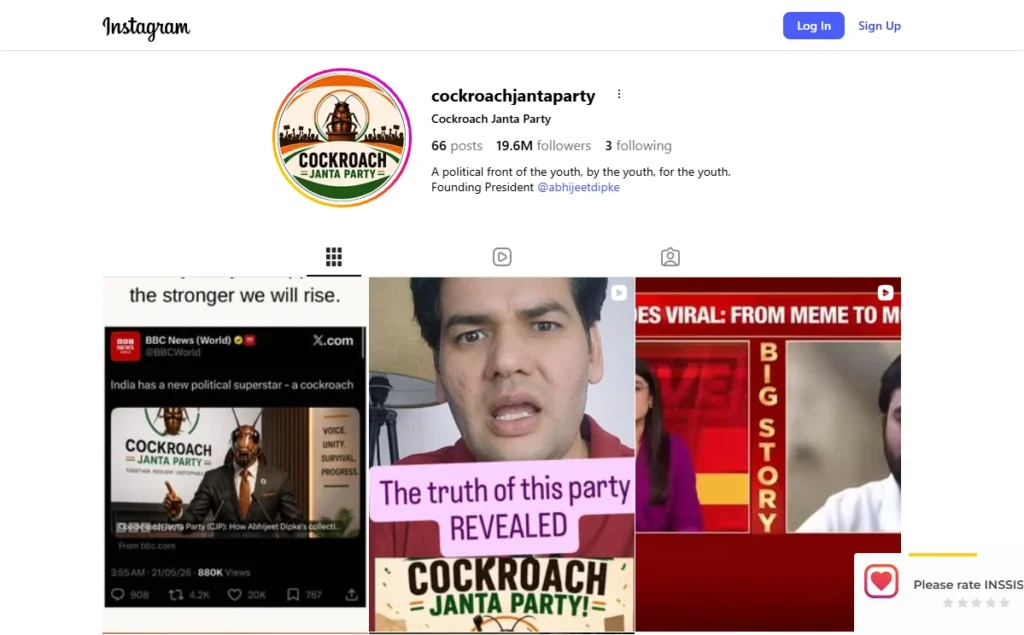
India’s online political culture is changing fast. Meme pages, satire trends, and symbolic campaigns are becoming youth discussion spaces. The phrase “Cockroach Janta Party” recently sparked conversations about frustration, unemployment, inflation, and political trust online.
Experts say satire in democracy is not new. However, social media has amplified its reach among young Indians. Many users now express criticism through humor instead of traditional political debates. At the same time, policymakers and digital experts warn that freedom of expression must stay responsible, factual, and peaceful in democratic spaces.
Quick Summary
- Satire and meme politics are becoming major youth expression tools in India.
- Experts believe satire in democracy can trigger serious public discussions.
- Online political humor must avoid misinformation, hate, and violence.
What Satire in Democracy Really Means
Satire in democracy allows citizens to criticize systems using humor, irony, and symbolic campaigns. Young users often prefer memes because they feel faster, relatable, and easier to share online.
Political satire has existed for decades in films, cartoons, and street theatre. However, social platforms now spread trends within hours. As a result, meme-driven discussions increasingly influence public opinion and digital conversations.
Why Indian Youth Are Turning to Meme Politics
Many young Indians feel disconnected from formal political communication. Therefore, memes and satire help them express frustration about jobs, exams, inflation, and social pressure in a lighter format.
Digital culture also rewards short-form content. Consequently, political jokes, parody pages, and fictional parties gain attention quickly. Several viral trends later evolve into wider debates on governance and accountability.
How To
- How to identify responsible political satire?
Check facts, avoid hate content, and verify information from trusted news sources.
- How to participate in satire in democracy safely?
Share opinions peacefully and avoid misinformation or abusive political content online.
- How to use memes for meaningful discussions?
Focus on real social issues and encourage constructive debate instead of personal attacks.
How Social Media Amplifies Political Satire
Platforms like Instagram, YouTube, and X have transformed political communication. Short videos, edits, and meme reels now reach millions within hours.
Algorithms promote engaging content aggressively. Because satire attracts reactions and shares, humorous political posts often spread faster than traditional news updates. This creates stronger youth participation in democratic discussions.
Satire Movements Have Influenced Real Debates
India has witnessed several online trends that later triggered serious national conversations. Discussions around education pressure, paper leaks, unemployment, and inflation first gained traction through satire content online.
Globally, satire has also shaped political awareness. Comedy shows and parody campaigns regularly influence voter engagement, especially among younger audiences who consume politics through mobile-first platforms.
Freedom of Expression Comes With Responsibility
Experts support criticism in democratic systems. However, they also stress the importance of factual communication. Satire should question systems without spreading fake news or encouraging hatred.
Legal experts say online creators must balance humor with accountability. Responsible satire strengthens public debate, while misinformation damages trust and increases social tension across digital communities.
Why Governments Monitor Viral Political Trends
Authorities increasingly track viral trends because online campaigns can shape public perception rapidly. Political satire sometimes influences narratives during elections, protests, or policy announcements.
At the same time, democratic societies must protect peaceful criticism. Analysts believe healthy democracies allow questioning voices while ensuring online safety and misinformation control remain active priorities.
The Future of Youth-Led Digital Democracy
India’s internet generation is changing political engagement patterns. Instead of rallies alone, many young citizens now participate through memes, commentary videos, and satire communities online.
This shift may continue growing as mobile internet expands further. Therefore, political leaders, educators, and media platforms may need to understand digital humor more seriously in future democratic communication.
Pro Tips
- Verify political claims before sharing viral satire posts online.
- Follow credible news sources alongside meme content.
- Use satire in democracy responsibly without promoting hate speech.
Conclusion
Satire is no longer limited to cartoons or comedy shows. Today, meme culture plays a visible role in shaping political conversations among Indian youth. Many users feel satire offers a safer and more relatable way to question systems, policies, and leadership online.
At the same time, responsible expression remains essential. Healthy democracies encourage criticism, debate, and public participation without misinformation or violence. As digital culture expands, satire in democracy will likely remain a powerful tool for youth engagement and social awareness across India.
FAQs
Satire in democracy uses humor or irony to question political systems and public issues peacefully.
Young users prefer fast, relatable, mobile-friendly political discussions through memes and short videos.
Yes. Several online satire trends later become serious discussions about jobs, inflation, and education.