
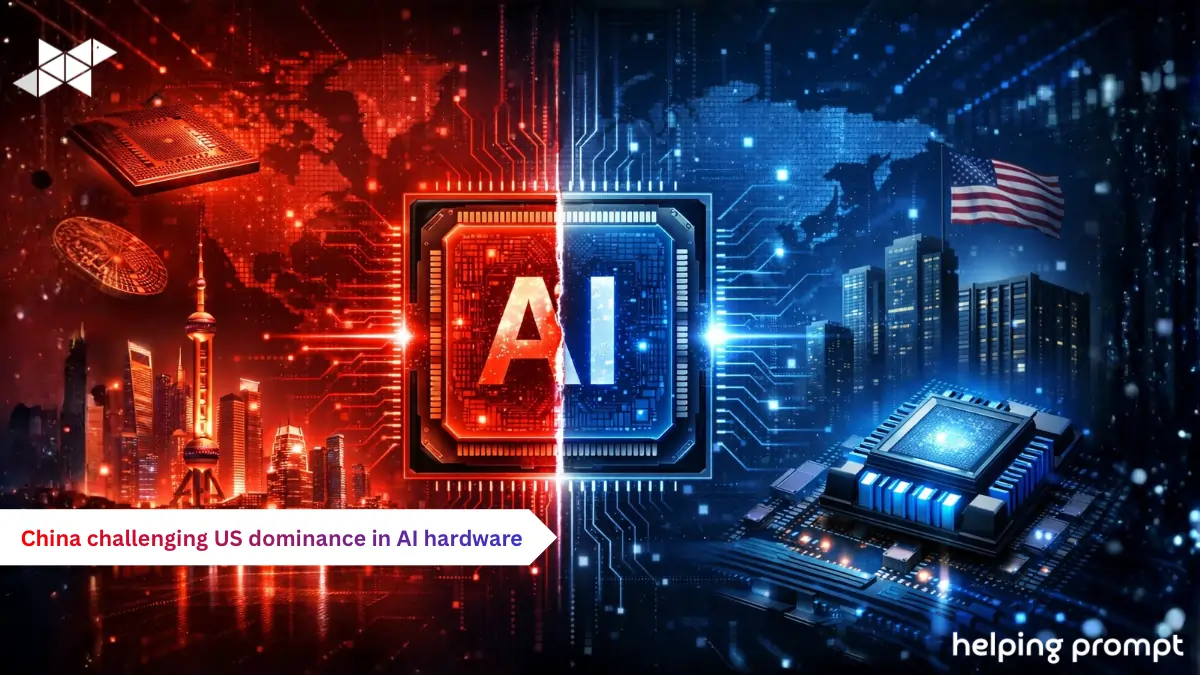
In recent months, a quiet but intense contest has been unfolding in the global technology space. China is steadily challenging long-standing US dominance in AI hardware, especially advanced chips that power artificial intelligence systems. Policymakers, engineers, and industry leaders are watching closely, as this race now shapes economic power and national security.
Why AI Hardware Matters
AI hardware refers to physical components like high-performance chips and servers that run artificial intelligence models. Without these chips, even the best AI software cannot function at scale. For years, the United States has led this sector, driven by cutting-edge design, manufacturing partnerships, and global supply chains.
A senior analyst at the hearing remarked, “AI hardware is no longer just about faster computers; it defines who controls future innovation.”

China’s Push for Self-Reliance
China has accelerated efforts to build its own AI hardware ecosystem. Domestic chipmakers are receiving strong state backing, research funding, and priority access to large local markets. The goal is clear: reduce dependence on foreign suppliers and create homegrown alternatives capable of supporting large AI models.
Officials highlighted that China’s strategy focuses on steady progress rather than quick wins. “We are building step by step,” one expert said, “from design tools to fabrication capacity.”

The US Advantage and Export Controls
The United States still holds a strong edge in advanced chip design and critical technologies. Companies based in the US dominate the high-end AI chip market, supplying processors used worldwide. However, tighter export controls have reshaped trade flows, limiting China’s access to the most advanced hardware.
During discussions, one industry voice noted, “Restrictions slow China down, but they also push it to innovate locally.”
A Shifting Global Supply Chain
This rivalry is influencing global supply chains. Countries and firms are reassessing partnerships, investing in alternative manufacturing hubs, and diversifying sourcing. As AI demand rises, competition over hardware capacity is expected to remain intense.

China’s challenge to US dominance in AI hardware is no longer theoretical. It is unfolding through policy decisions, industrial investment, and technological development, marking a critical phase in the global AI race.







Leave a Reply