Over the past few days, Indian timelines have started looking different. Videos with perfect voiceovers, images stitched with text, and reels produced in minutes – not hours. The multimodal AI boom has quietly crossed into everyday use. What was once limited to tech demos is now shaping ads, reels, and explainers. With scale rising fast, the government response is no longer optional. It’s becoming urgent.
What exactly is driving the multimodal AI boom in India
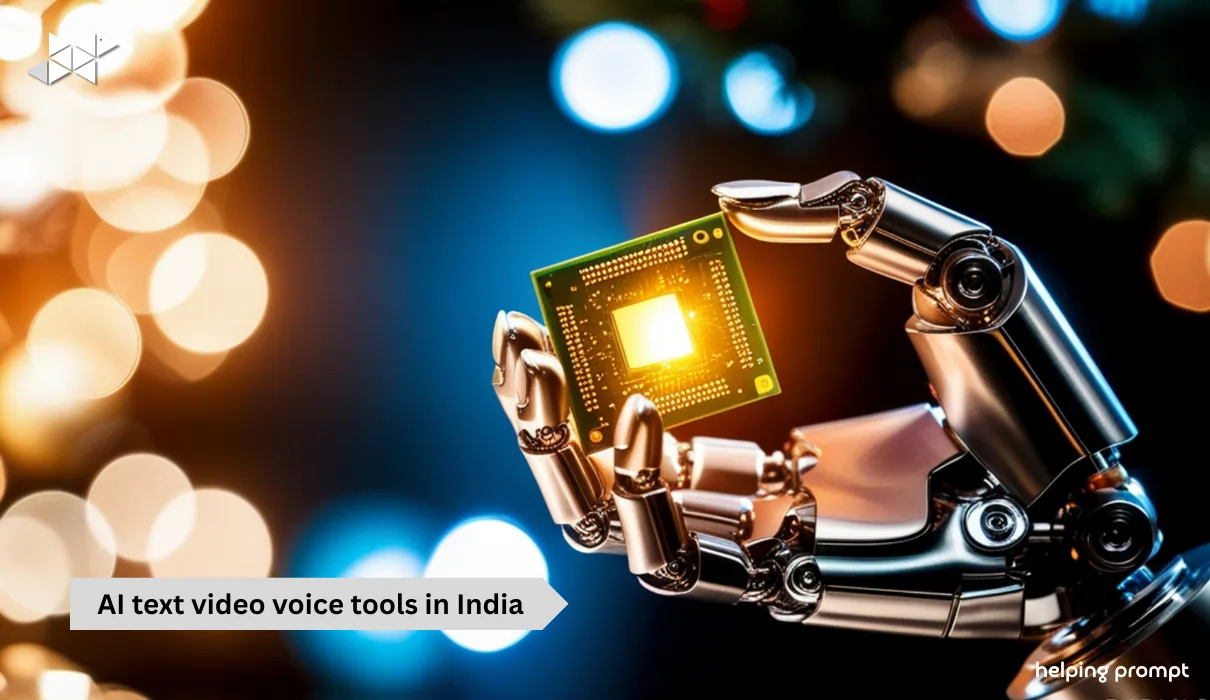
Multimodal AI simply means one system handling text, images, video, and voice together. Instead of jumping between tools, creators now type one prompt and get a finished output.
This shift matters because it removes technical barriers. You don’t need editing skills, a microphone, or even a camera. A phone and an idea are enough.
India’s creator economy, already massive, has latched onto this speed. That’s why the boom feels sudden – it’s visible everywhere at once.
The apps creators are actually using right now
This is not theory. These tools are already active in Indian workflows:
- ChatGPT / Claude – writing scripts, captions, ad copy, and video outlines
- Midjourney / DALL·E – generating realistic images and thumbnails
- Runway / Pika – turning text and images into short videos
- ElevenLabs – creating natural-sounding AI voiceovers in multiple accents
- HeyGen / Synthesia – AI presenters speaking scripted content
- CapCut AI – auto-editing reels with text, music, and voice
A Mumbai-based reel editor said,
“Clients don’t ask how it’s made anymore. They ask how fast it can go live.”
Step-by-step: how a full AI video is made in minutes
Here’s how creators are combining text, image, video, and voice today:
Step 1: Write a short prompt or script using an AI text tool
Step 2: Generate visuals or scenes using an image model
Step 3: Convert scenes into motion using a video AI app
Step 4: Add an AI voiceover in English or regional language
Step 5: Auto-edit, add subtitles, and export for social media
What earlier took a team now takes one person and 20 minutes.

Why concerns started surfacing just as fast
As usage increased, so did misuse. Voice cloning without consent. Faces placed into videos they never appeared in. News-style clips with no clear source.
A Bengaluru student who runs a meme page shared,
“I generated a voice for fun. It sounded exactly like someone real. That’s when it stopped being funny.”
Once these clips started spreading beyond niche pages, regulators began paying attention.
The government response forming behind the scenes
Officials are not announcing bans. Instead, they are reviewing how existing IT and digital laws apply to AI-generated media.
Key areas under discussion include:
- Mandatory labelling of AI-generated content
- Consent rules for face and voice replication
- Platform responsibility when synthetic media goes viral
- User accountability for deceptive use
A policy observer involved in consultations said,
“The issue is not AI creation. The issue is AI deception at scale.”

What everyday users should watch out for now
For viewers, the biggest change is trust. A voice or face on screen may no longer confirm authenticity.
Some platforms have started testing disclosure tags. Others rely on user reporting. Until clear rules arrive, responsibility is shared between creators, platforms, and audiences.
The unspoken shift is already visible: people are pausing before sharing.
Why India’s handling of this boom matters globally
India’s internet scale makes it a test case. Tools that succeed here will shape how AI media spreads across other developing markets.
Unlike slower economies, adoption here is immediate and mass-level. That’s why the multimodal AI boom is being watched – not just by creators, but by policymakers worldwide.
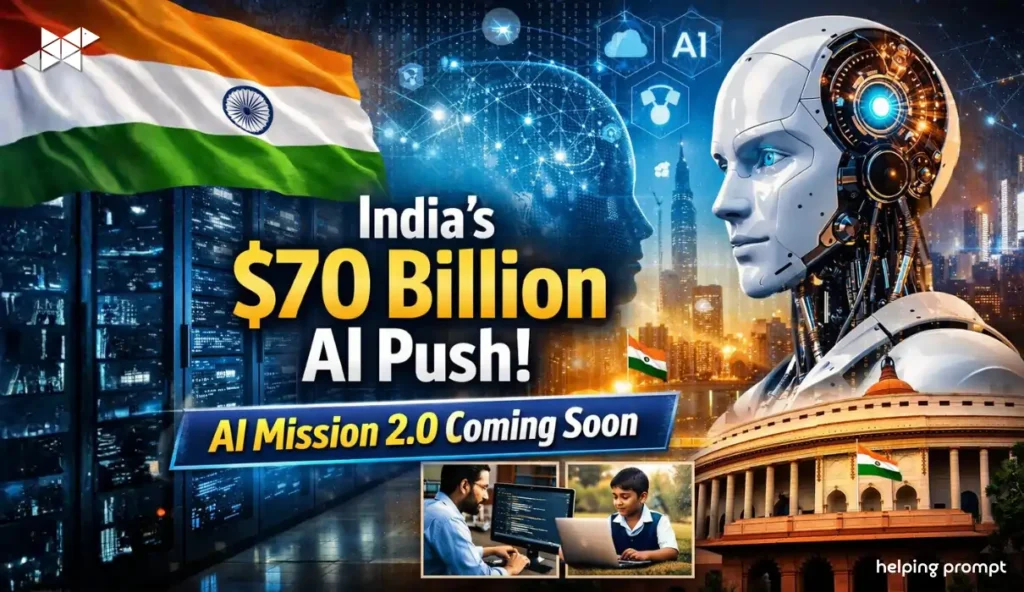
Multimodal AI has entered daily digital life in India. As creation becomes easier, scrutiny is rising just as fast. The government response now unfolding will determine how trust survives this shift.

Leave a Reply