AI Industry Trends 2026: Agents, Gemini AI, and Global Power Shift
The biggest AI industry trends 2026 are no longer limited to chatbots and image tools.
Tech giants are now racing to build AI agents that could replace traditional apps completely. Meanwhile, governments are tightening AI regulations across the US, Europe, and Asia.
At the same time, companies are investing billions into AI chips, cloud infrastructure, and cybersecurity systems. Furthermore, the rivalry between OpenAI and Anthropic is accelerating innovation faster than expected. Industry experts also believe Google I/O may introduce major upgrades for Gemini AI this year.
Quick Summary
- AI agents are expected to replace many mobile apps and digital workflows.
- Governments are increasing AI regulation and cybersecurity monitoring globally.
- Google, OpenAI, and Anthropic are expanding AI infrastructure aggressively.
## AI Agents Could Replace Traditional Apps
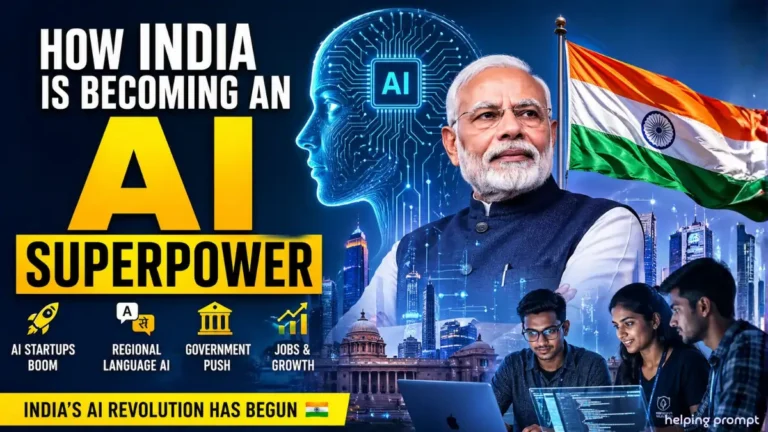
The next phase of AI industry trends 2026 focuses heavily on AI agents.
Instead of opening multiple apps, users may soon rely on one AI assistant for shopping, booking, payments, and work tasks. Therefore, companies are redesigning products around conversational AI experiences.
Several startups and enterprise platforms already support autonomous AI workflows. Moreover, developers are integrating AI directly into browsers, operating systems, and workplace tools. This shift could change how users interact with technology daily.
## Enterprise AI Growth Is Outpacing Consumer AI
Enterprise adoption is growing faster than consumer AI products.
Large companies are investing heavily in automation, AI analytics, and internal copilots. As a result, enterprise AI spending is increasing across banking, healthcare, logistics, and cybersecurity sectors.
Experts believe businesses now prioritize productivity gains over experimental AI tools. Furthermore, cloud providers are expanding AI infrastructure rapidly to meet enterprise demand. This trend is reshaping global software markets significantly.
## AI Cybersecurity Arms Race Is Intensifying
Cybersecurity has become a major battlefield in AI industry trends 2026.
Hackers are using AI to create advanced phishing attacks, fake identities, and automated scams. Consequently, cybersecurity firms are deploying defensive AI systems faster than ever before.
Governments are also increasing monitoring of AI-generated threats. Meanwhile, companies are investing in real-time detection systems and AI-powered security layers. This growing AI arms race could redefine digital safety standards globally.
## Governments Are Expanding AI Regulation
AI regulation is becoming stricter across multiple regions.
The European Union continues enforcing AI transparency rules, while the US and Asian governments are drafting new compliance frameworks. Therefore, tech companies now face growing legal pressure.
Many regulators are demanding clearer AI labeling and safety testing. In addition, concerns around misinformation, copyright, and data privacy are influencing new policies. This could affect how AI products launch worldwide.
## AI Infrastructure Is Becoming Geopolitical Power
AI infrastructure is now linked directly to geopolitical influence.
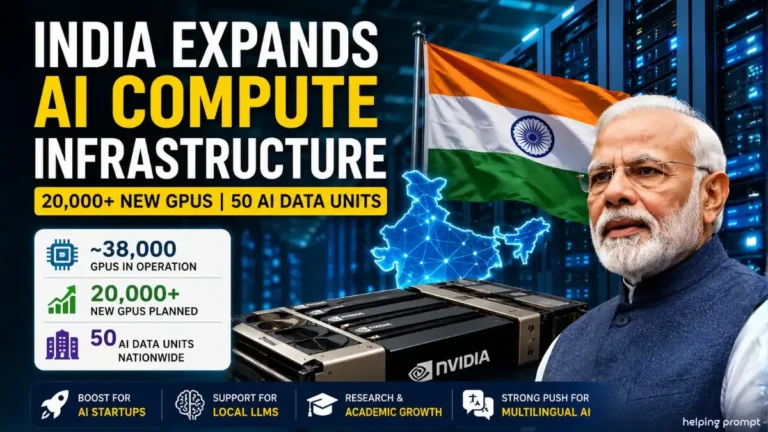
Countries are competing for semiconductor production, AI data centers, and advanced computing capacity. Consequently, AI chips and cloud networks are becoming strategic national assets.
The US, China, and Middle Eastern investors are expanding AI partnerships aggressively. Moreover, governments are funding domestic AI ecosystems to reduce foreign dependence. This infrastructure race may shape future economic power globally.
## OpenAI vs Anthropic Rivalry Is Heating Up
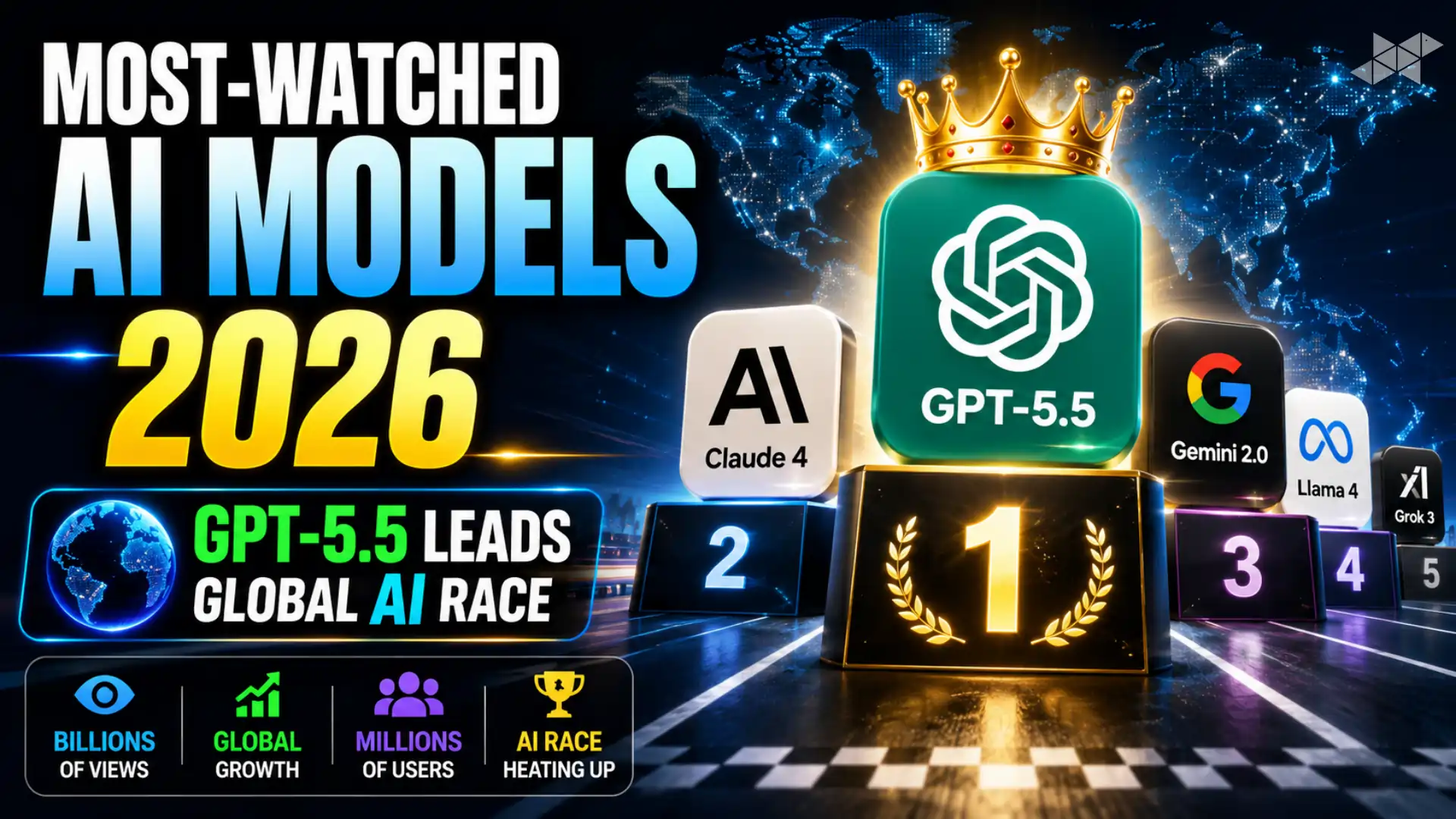
Competition between OpenAI and Anthropic is becoming more intense in 2026.
Both companies are focusing on safer models, enterprise tools, and advanced reasoning systems. As a result, businesses now have more powerful AI options than ever before.
Industry analysts believe this rivalry will accelerate innovation quickly. Furthermore, pricing competition and model performance improvements could benefit developers and enterprise customers worldwide.
## Google I/O 2026 May Reveal Major Gemini Upgrades
Tech observers expect major announcements at Google I/O this year.
Reports suggest Google may introduce stronger Gemini AI models, smarter AI agents, and deeper Android integration. Therefore, the event could reshape competition across the AI industry.
Developers are also expecting productivity upgrades and multimodal AI features. Meanwhile, Google continues expanding Gemini across search, cloud services, and workspace products aggressively.
- How to follow AI industry trends 2026 effectively?
Track major AI events, enterprise announcements, and global AI policy updates regularly.
- How to prepare for AI agents replacing apps?
Start learning AI workflow tools and automation-based productivity systems early.
- How to stay safe during the AI cybersecurity race?
Use verified platforms, enable security layers, and avoid unknown AI-generated links.
Pro Tips
- Follow enterprise AI updates, not just consumer AI launches.
- Watch AI regulation policies before adopting new AI tools.
- Track Gemini, OpenAI, and Anthropic model upgrades regularly.
Conclusion
AI industry trends 2026 show that artificial intelligence is entering a more serious phase.
The focus is now shifting from experimental chatbots toward enterprise automation, AI security, and infrastructure dominance. Consequently, global tech competition is becoming more intense every month.
At the same time, regulations and cybersecurity concerns are forcing companies to build safer systems. Meanwhile, AI agents may soon transform how users interact with apps and services completely. Readers should stay updated because these developments could reshape work, business, and digital life faster than expected.
FAQs
AI agents, cybersecurity, enterprise AI growth, and AI regulation are leading trends globally.
Businesses want automation, cost savings, and productivity improvements using advanced AI systems.
Experts expect major Gemini AI upgrades, AI agents, and deeper Android AI integration.