
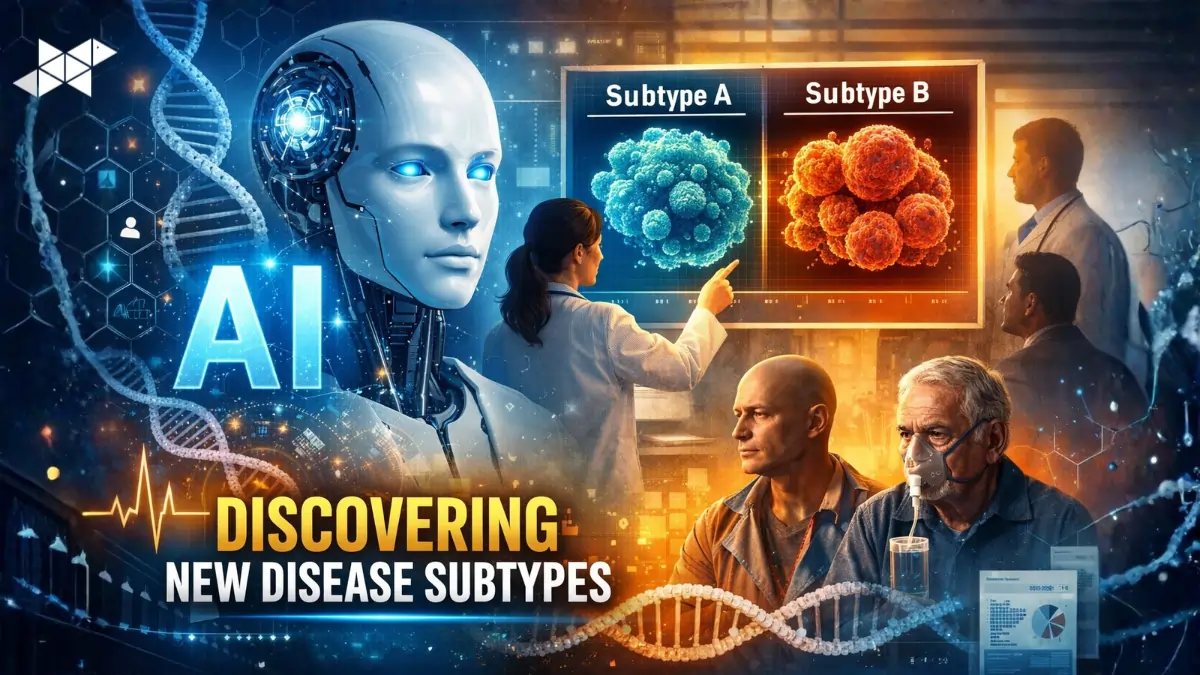
The courtroom was quiet, but the discussion was intense. Doctors, data scientists, and policymakers gathered to explain how artificial intelligence is changing the way diseases are understood. The focus was not on futuristic promises, but on results already being seen. AI, they said, is helping researchers uncover hidden disease subtypes that traditional methods often miss.
This shift could change how patients are diagnosed and treated.
How AI Finds What Humans Often Miss
For decades, many diseases were grouped under one broad label. Patients with the same diagnosis often showed different symptoms and responded differently to treatment. That confusion frustrated doctors and families alike.
AI works differently. It can scan thousands of medical records, lab reports, scans, and genetic data at once. Patterns that look random to humans start to make sense to machines.
One expert told the panel, “AI doesn’t get tired or biased. It sees connections across data that we simply can’t process manually.”

Real Progress in Disease Classification
During the hearing, researchers shared examples where AI separated one disease into multiple subtypes. These subtypes had clear differences in progression, risk level, and treatment response.
In cancer research, for instance, AI tools have helped identify patient groups that benefit from specific drugs, while others need a different approach. Similar results are emerging in neurological and autoimmune disorders.
A clinician explained, “Two patients may look identical in the clinic, but AI shows us they are not the same disease at all.”
What This Means for Patients
For patients, this discovery matters deeply. When a disease subtype is identified early, doctors can choose treatments more accurately. That reduces trial-and-error medicine and limits unnecessary side effects.
Families attending the session listened closely as speakers stressed that better classification leads to clearer answers. Instead of vague diagnoses, patients may finally hear explanations that match their lived experience.
Safeguards and Human Oversight
Officials were careful to clarify that AI does not replace doctors. Every AI finding is reviewed by medical experts before it affects patient care.
As one panel member put it, “AI is a tool, not a decision-maker. The final responsibility always stays with humans.”

The hearing made one thing clear. By revealing new disease subtypes, AI is helping medicine move from broad labels to precise understanding. For researchers, doctors, and patients alike, that clarity marks a meaningful step forward.







Leave a Reply