
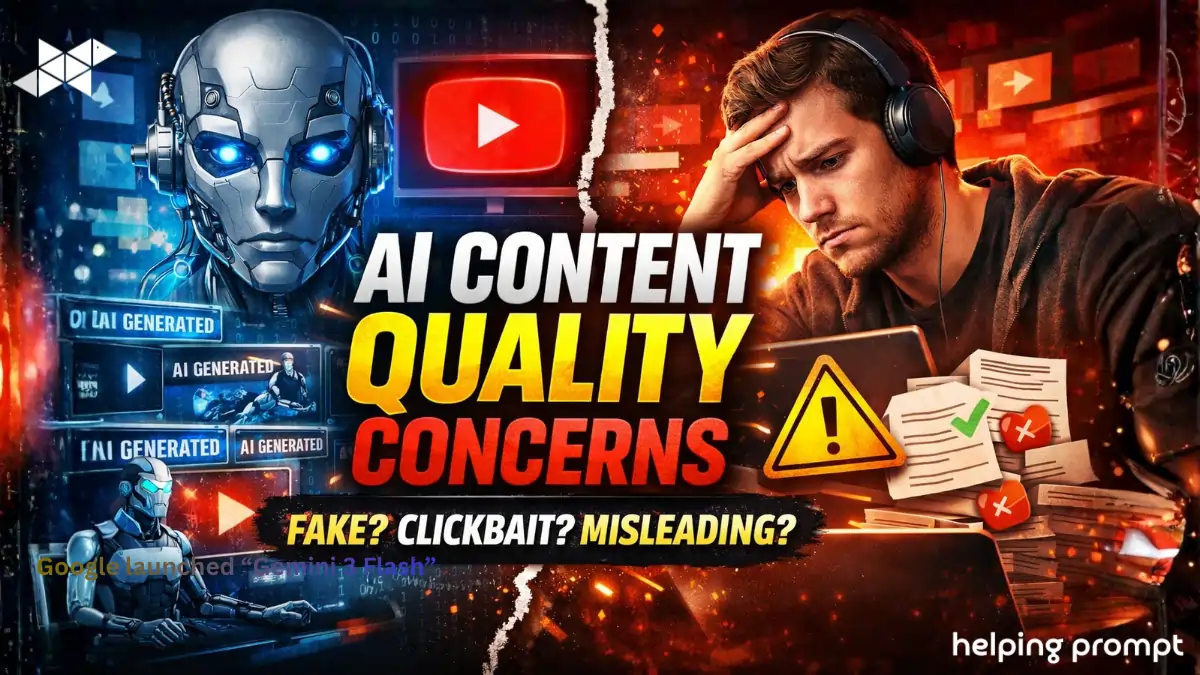
The conversation around AI-generated videos is getting louder, and this time it is centered on YouTube. During recent creator discussions and policy briefings, concerns were raised about how fast AI-made content is spreading — and whether quality is keeping up with quantity.
As someone sitting through these sessions, the mood felt mixed. There was excitement about new tools, but also clear anxiety about what viewers are being served every day.
The Rapid Rise of AI Videos
AI tools now make it easy to generate scripts, voices, thumbnails, and even full videos within minutes. This has helped many small creators publish regularly. But it has also opened the door to mass-produced videos that lack original reporting, context, or effort.
A senior creator remarked quietly during the hearing, “It’s not the technology that worries us. It’s the shortcuts people take with it.”

Quality vs Quantity Debate
Several speakers pointed out that AI content often repeats the same ideas, phrases, and visuals across channels. This repetition makes it harder for viewers to trust what they see.
Moderators acknowledged that some AI videos add value when used responsibly. But many others rely on automated narration and recycled clips, offering little new information.
One participant summed it up clearly: “Viewers can feel when content is made for algorithms, not for people.”
Impact on Viewers and Creators
For viewers, low-quality AI videos can be misleading or confusing, especially when facts are not checked. For genuine creators, it creates tougher competition, as spam-like uploads flood recommendations.
There was also concern about new creators learning the wrong lesson — that speed matters more than substance.
Platform Response and Monitoring
Officials confirmed that content quality signals are being closely monitored. While AI itself is not banned, videos that lack originality or mislead audiences may see reduced visibility.
A policy expert noted, “Technology should assist creativity, not replace responsibility.” The emphasis, they said, remains on usefulness, clarity, and viewer trust.
The discussion made one thing clear: AI is now part of online video creation, but quality still matters. As AI content grows, maintaining originality, accuracy, and human intent will decide what truly earns viewer attention.







Leave a Reply