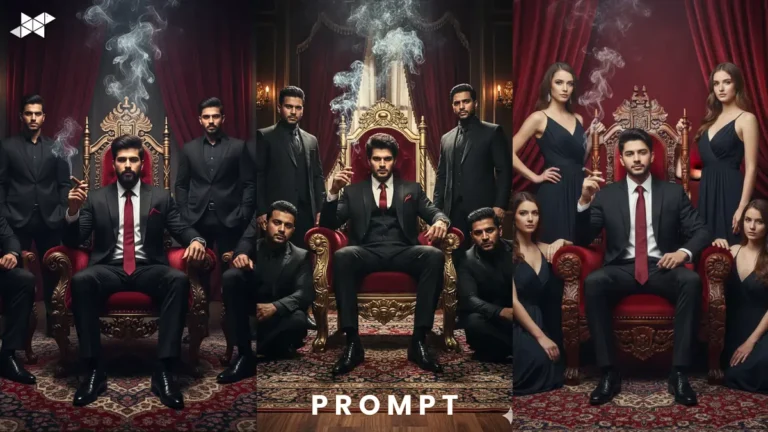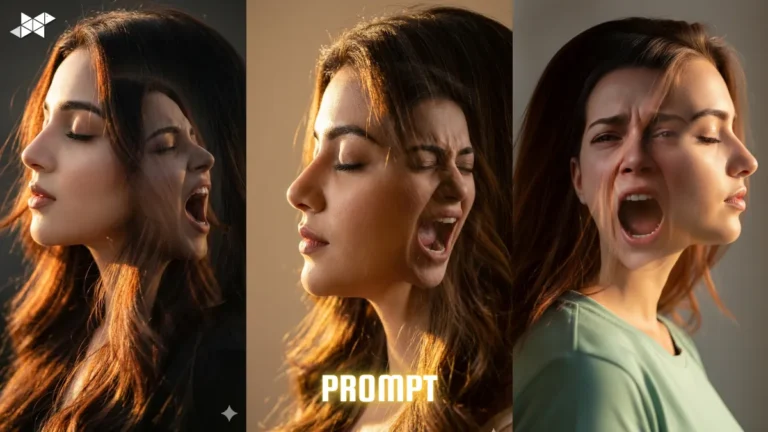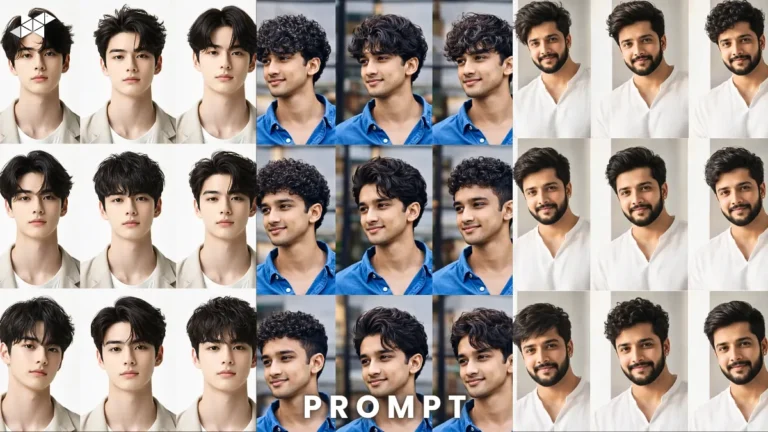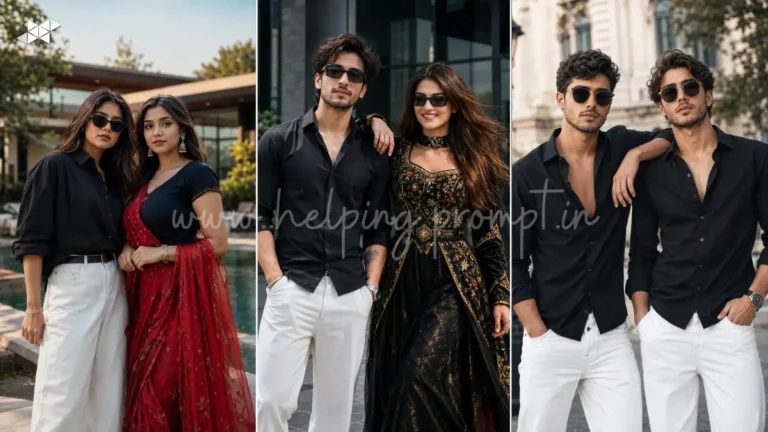
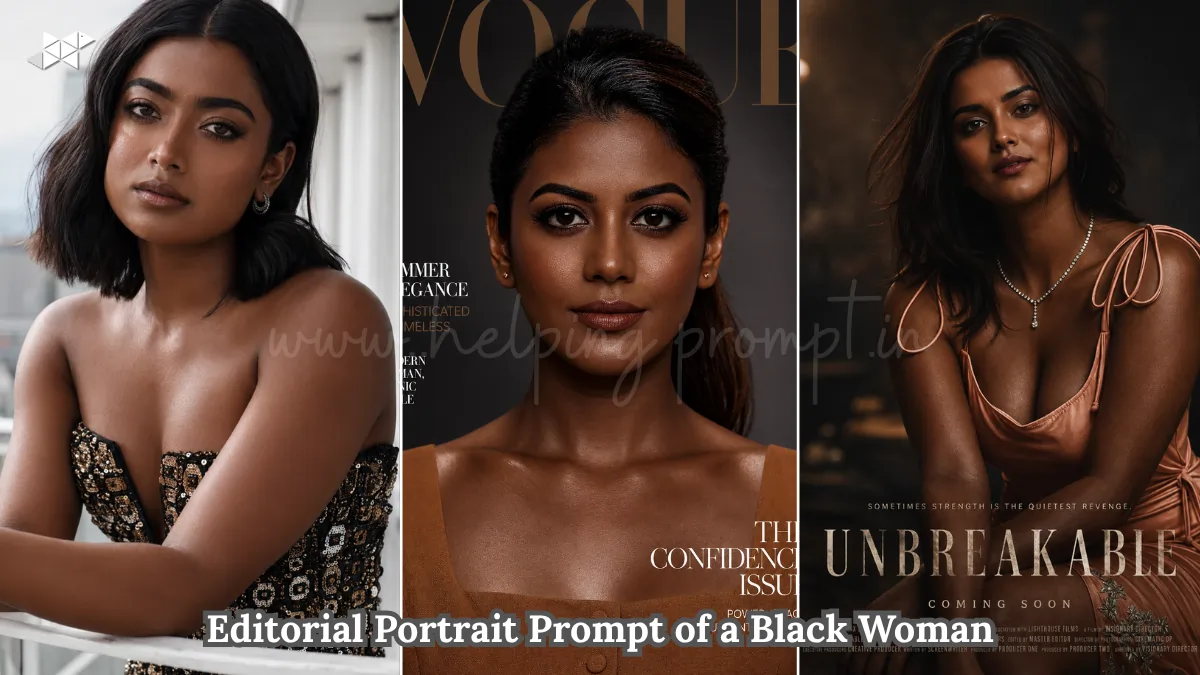
AI Black Skin Tone Portrait Generator Prompt With Gel Lighting
Transform any selfie into a realistic portrait with a deep black skin tone while preserving the person’s facial identity, expression, hairstyle, clothing, and pose.
Maintain natural skin texture, authentic lighting, realistic shadows, and detailed facial features for a believable and professional appearance. The transformation should look seamless and true to real-life photography.
Create a high-quality DSLR-style portrait with cinematic color grading, sharp focus, and premium editorial aesthetics. The final result should be ultra-realistic, visually striking, and suitable for modern AI image-generation workflows.
For this workflow, I tested tools like ChatGPT, Gemini, Midjourney, Gemini, Leonardo AI, DALL·E, Ideogram AI, Krea AI.
The strongest outputs used the focus keyphrase: cinematic geometric gel lighting portrait prompt.
Photorealistic Black Skin Tone Transformation
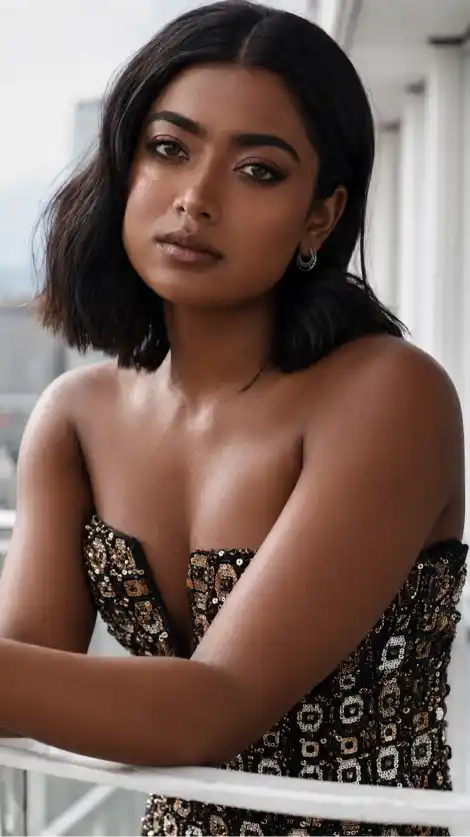
Transform the uploaded selfie into a hyper-realistic portrait featuring a deep, rich black skin tone across the entire visible body while preserving 100% facial identity, hairstyle, expression, body shape, clothing, pose, and background. Maintain realistic skin texture, pores, natural highlights, authentic shadows, and accurate color harmony. Professional DSLR photography quality, ultra-detailed facial features, realistic lighting physics, premium editorial retouching, 8K resolution, natural and believable appearance.
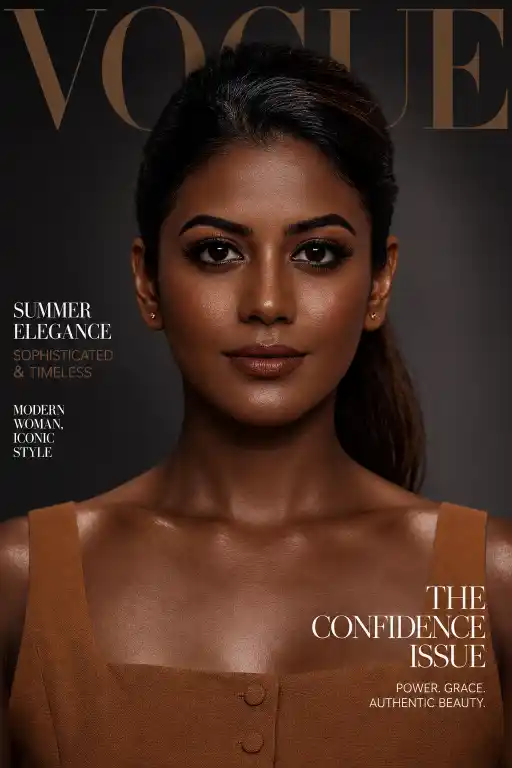
Luxury Fashion Editorial Style
Convert the uploaded selfie into a luxury fashion magazine portrait with a beautiful dark black skin tone, preserving the exact facial structure and identity. Cinematic studio lighting, dramatic shadows, premium skin detail, realistic reflections, Vogue-inspired composition, elegant color grading, ultra-sharp focus, high-fashion editorial photography, realistic body proportions, advanced DSLR realism, sophisticated and confident appearance.
Outdoor Golden Hour Portrait

Reimagine the uploaded selfie with a naturally deep black skin tone under warm golden-hour sunlight. Preserve facial identity, expression, hairstyle, clothing, and pose exactly as in the original image. Realistic sunlight reflections, soft skin highlights, natural environmental lighting, ultra-detailed skin texture, professional portrait photography, shallow depth of field, cinematic atmosphere, photorealistic rendering, authentic human appearance.
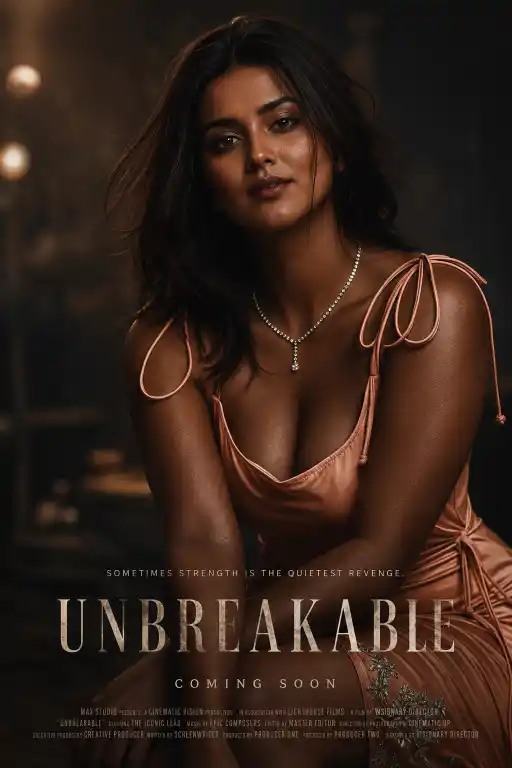
Cinematic Movie Poster Look
Transform the uploaded selfie into a cinematic movie-poster portrait featuring a rich dark black skin tone while maintaining complete facial recognition and realism. Dramatic lighting, powerful shadows, high dynamic range, realistic skin pores, premium color grading, ultra-detailed facial features, sharp focus, emotional visual storytelling, Hollywood-quality photography, realistic depth, 8K photorealism.
Modern Creative Editorial Portrait
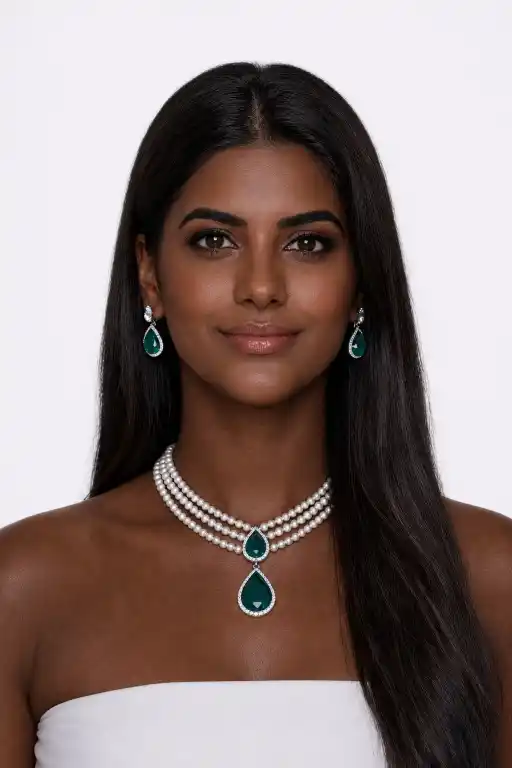
Convert the uploaded selfie into a contemporary editorial portrait with a naturally dark black complexion and flawless realism. Preserve the person's exact face, hairstyle, body proportions, clothing, and posture. Include soft cinematic lighting, realistic skin texture, subtle highlights, luxury portrait aesthetics, advanced DSLR quality, premium retouching, fashion-industry styling, ultra-realistic rendering, magazine-cover quality, professional photography standards.
Pros & Cons
Pros
- Creates premium magazine-quality AI portraits instantly.
- Perfect for Google Discover thumbnails and Instagram visuals.
- Works across multiple AI image generators consistently.
Cons
- Poor prompts reduce realistic skin texture quality.
- Excess lighting keywords may oversaturate colors.
- Some AI tools over-soften facial details automatically.
Quick Settings Guide / Pro Tips
- Use “cinematic geometric gel lighting portrait prompt” near the beginning.
- Add “sharp diagonal shadow” for stronger editorial depth.
- Combine blue and amber lighting for luxury fashion realism.
FAQs
Start with facial structure, lighting direction, and studio mood first.
Then add polygon backgrounds and realistic cinematic photography keywords.
I achieved the best realism using Midjourney and Leonardo AI.
Both handled cinematic lighting and skin texture accurately.
Use realistic photography terms like DSLR depth, skin pores, and studio shadows.
Avoid excessive fantasy keywords inside the cinematic geometric gel lighting portrait prompt.
Wrap-Up
Cinematic editorial portraits are dominating AI art trends because they feel premium, emotional, and instantly scroll-stopping. After testing multiple prompt structures, I found geometric gel lighting delivers the strongest visual depth for mobile-first content and Google Discover thumbnails. The combination of blue and amber split lighting, sharp facial shadows, and polygon backgrounds creates a luxury studio atmosphere that performs exceptionally well across social platforms.
If you want stronger AI portrait results in 2026, focus on realistic cinematic photography language instead of generic art terms. Small changes in lighting direction, facial positioning, and shadow structure dramatically improve realism. Keep experimenting with color combinations, camera depth, and editorial styling until your portraits develop a recognizable signature aesthetic.