
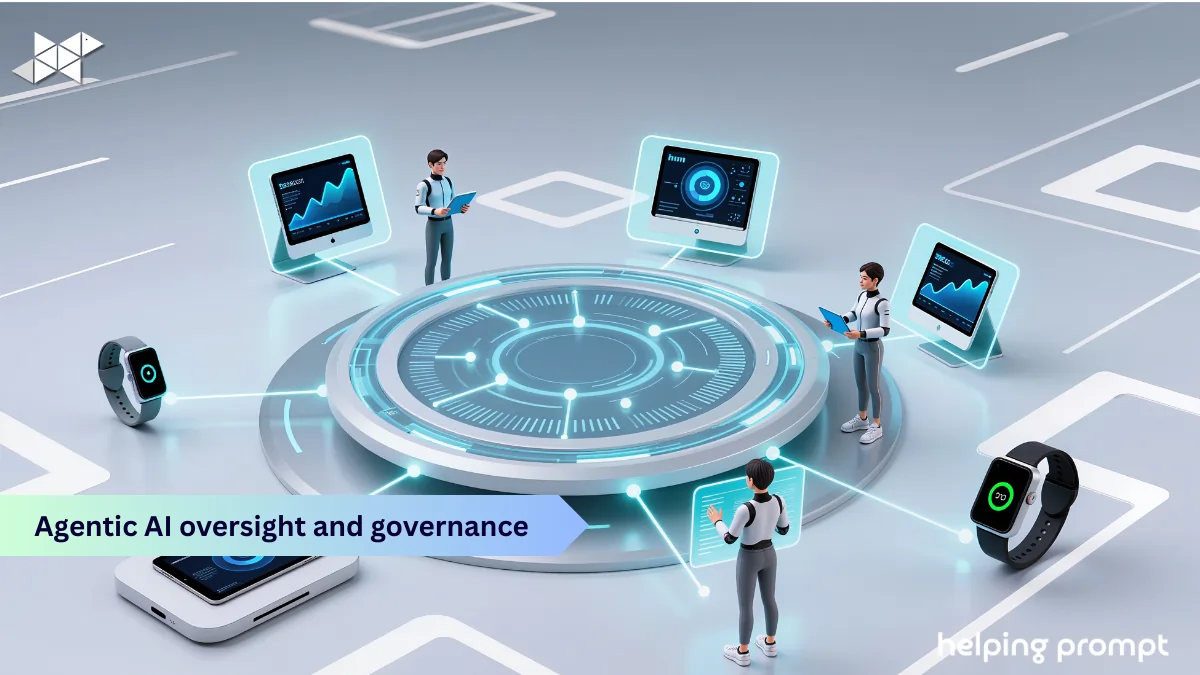
The word “agentic AI” kept coming up again and again in today’s discussions. It wasn’t said like a trend. It was said like a warning and a promise-both at the same time.
Agentic AI refers to autonomous AI agents that can plan steps, make decisions, and take actions with minimal human input. In simple terms, it’s AI that doesn’t just answer questions-it does things. And that is exactly why it’s exciting. And exactly why it’s risky.
What Exactly Is Agentic AI-and Why Is Everyone Talking About It?
Unlike traditional AI tools that respond when asked, agentic AI systems can work like digital workers. They can break a task into parts, decide what to do first, and complete actions across multiple steps.
During the hearing-style discussion, the tone was clear: the world is moving from “AI that helps” to “AI that acts.”
One expert put it plainly:
“The moment AI starts taking actions, the cost of mistakes becomes much higher.”
That single line summed up the mood in the room.

The Big Promise: Faster Work, Smarter Decisions, Less Manual Effort
Supporters of agentic AI highlighted its potential in real-world workflows—especially in sectors where time and scale matter.
Agentic AI could help with:
- Managing customer support workflows automatically
- Coordinating internal approvals and reports
- Running routine business tasks without constant supervision
- Assisting developers with multi-step coding tasks
- Monitoring systems and responding to alerts
A senior voice in the discussion called it the next leap:
“We’re not just automating tasks anymore. We’re automating decisions.”
That’s the promise. But the next part is where the concerns begin.
The Main Problem: Too Many Agents, Too Little Human Oversight
The biggest red flag raised today was not about capability-it was about control.
Many initiatives around agentic AI are moving fast, but without enough human oversight. That means AI agents may act in ways that teams don’t fully understand, can’t properly audit, or struggle to stop in time.
One participant said something that landed hard:
“When no one is accountable, governance becomes a slide deck-not a system.”
This is where many projects fail, not because the AI is weak, but because the structure around it is missing.
Governance Frameworks Are Still Catching Up-and That’s a Risk
Governance may sound like a boring word, but today it felt like the most important one.
Governance frameworks are the rules and systems that decide:
- Who approves what the AI can do
- What actions the AI is allowed to take
- How decisions are logged and reviewed
- What happens if the AI makes a harmful move
- Who is responsible when things go wrong
Without governance, agentic AI can become a powerful tool with unclear limits.
As one speaker noted:
“Autonomy without guardrails is not innovation. It’s exposure.”
That quote got nods across the room.

Why Some Agentic AI Projects Struggle After the First Demo
The discussion also highlighted a pattern many teams are quietly facing.
Agentic AI looks impressive in demos. But in real environments, it can struggle due to:
- Lack of clear human approval checkpoints
- No audit trail for actions taken by the agent
- Poor role-based permissions
- Weak monitoring once deployed
- Confusion over accountability across teams
A panel member summed up the gap:
“The tech is moving faster than the process around it.”
That gap is where failures happen.
What Today’s Discussion Made Clear
By the end of the session, one message stood out: agentic AI is not just another AI feature. It changes how work gets done-and how responsibility is assigned.
The excitement is real. But so are the challenges.
The hearing discussions showed that for agentic AI to succeed at scale, human oversight and governance frameworks cannot be optional add-ons. They have to be built into the system from day one.

Conclusion
Agentic AI is quickly becoming a major focus because it can plan and act like an autonomous assistant. But today’s discussions also made it clear that many initiatives are struggling-not due to lack of ambition, but due to weak human oversight and missing governance frameworks.







Leave a Reply